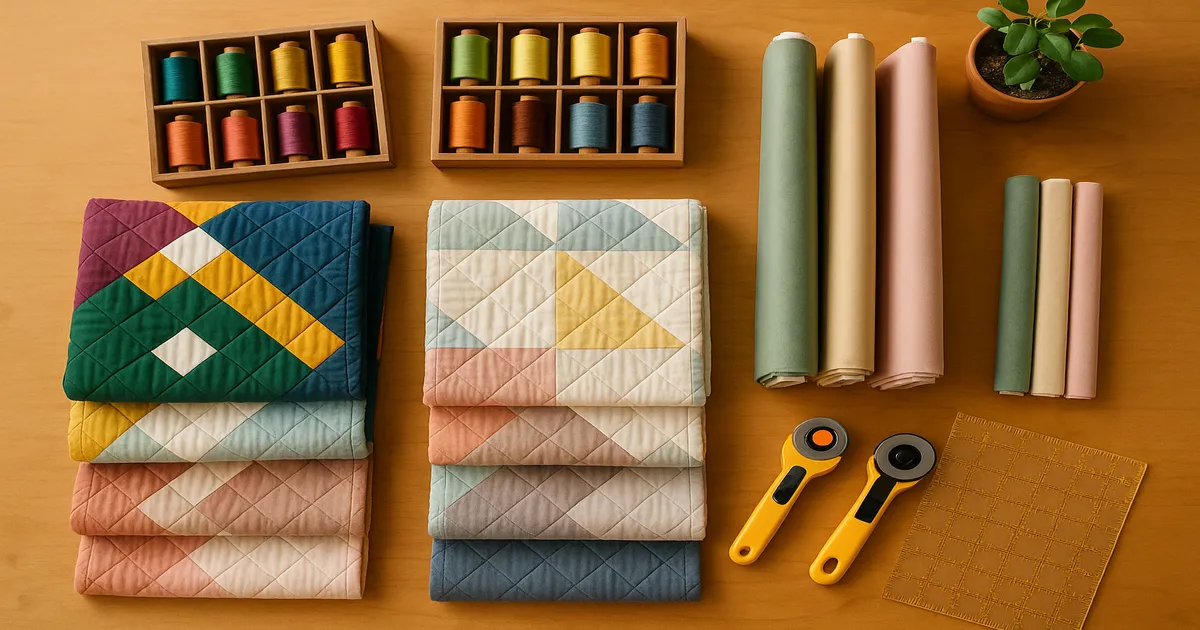
Quick Answer: Yes — and they almost certainly quilt themselves. Staff at a local quilt shop (LQS) are typically experienced quilters and sewists, not general retail workers. They can help you choose coordinating fabrics, calculate yardage, troubleshoot your machine, and recommend the right needle for your project. It’s a completely different experience from walking into a chain craft store.
If you’ve ever asked yourself “does anyone work in your local quilt shop who actually knows this stuff?” — the answer is almost always yes, and that expertise is the whole point. The LQS is one of the last retail environments where the people behind the counter are genuinely passionate about what they’re selling. Most of them are mid-project themselves. They’re not between jobs. They’re there because they love it.
Who Actually Works in a Local Quilt Shop?
LQS staff are working quilters. They piece, they bind, they quilt on longarms and domestic machines. They’ve hit the same walls you have — the puckered seams, the fabric that won’t press flat, the pattern instructions that make no sense — and they’ve usually found better solutions. That shared experience is what makes the LQS worth visiting even when online prices are lower.
Walk into a JOANN or Hobby Lobby and you’ll find retail employees who rotate through departments. Walk into a local quilt shop and you’ll find someone who can tell you, without hesitating, that the Tula Pink print you’re holding has a 24-inch (61 cm) repeat and you’ll need an extra half-yard. That’s not a knock on chain stores — it’s just a different business model. The LQS runs on expertise, and the staff are the expertise.
What Does Working in a Local Quilt Shop Actually Involve?
Fabric Consultation and Color Matching
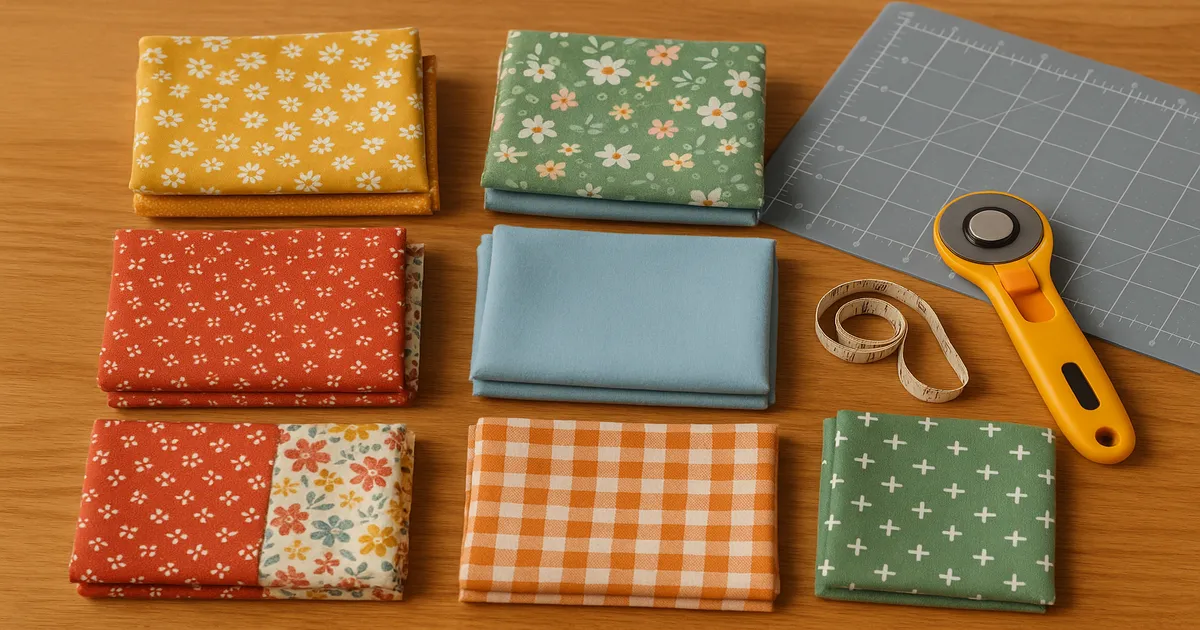
This is the core skill. A good LQS employee can look at a customer’s focus fabric and pull four to six coordinates in under five minutes — not because they’ve memorized every bolt, but because they understand color theory well enough to work fast. Value contrast, scale variation, print style, saturation — all of it factors in. They also know which designer collections play well together across manufacturers, which is the kind of thing you simply can’t Google.
Cutting Fabric at the Counter
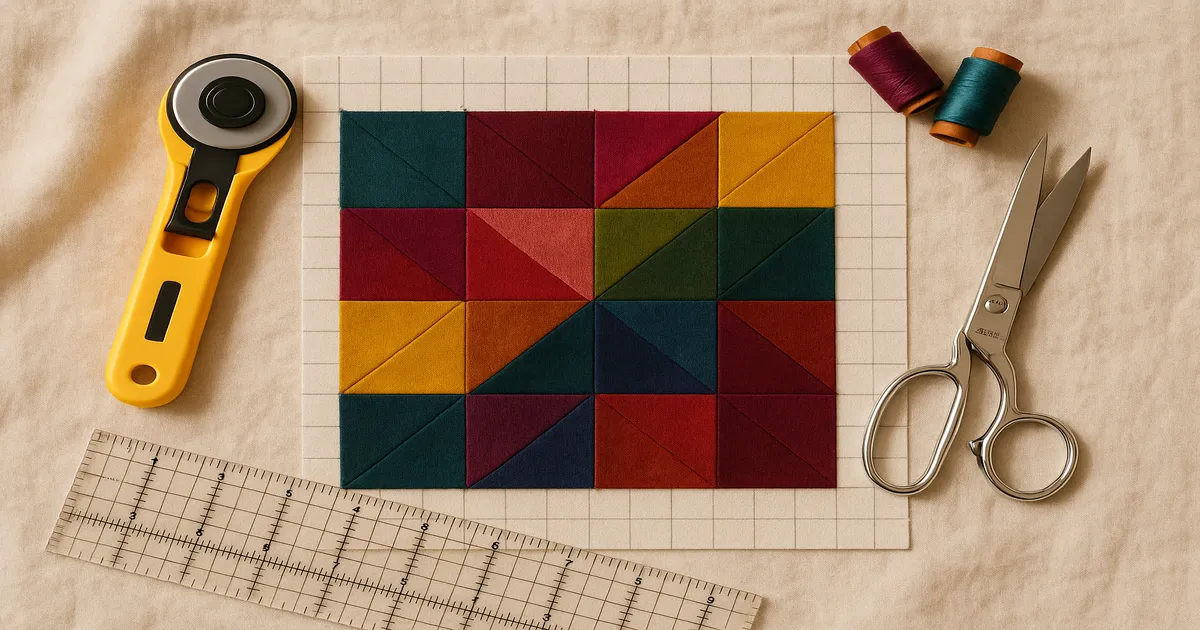
Standard quilting cotton runs 42–44 inches (107–112 cm) wide, and staff cut it with a rotary cutter and acrylic ruler on a self-healing mat. A 45mm rotary cutter handles single layers and standard cuts; a 60mm is better for multiple layers. The professional standard is accuracy to 1/8 inch (3 mm) — customers should always receive at least what they paid for. Slightly over is fine; short is not. New staff underestimate how quickly small errors compound across a full day of cutting.
Fat quarters (18 × 22 inches / 46 × 56 cm) and fat eighths (9 × 22 inches / 23 × 56 cm) may be pre-cut or cut to order depending on the shop. Staff also know how to straighten grain before cutting — either by pulling a thread or making a small snip and tearing across the width.
Pattern Selection and Yardage Calculation
Helping someone choose a pattern that matches their actual skill level is trickier than it sounds. Difficulty ratings vary wildly by publisher — one company’s “beginner” is another’s “intermediate.” Experienced staff know which publishers rate generously and which don’t. They also add 10–15% overage to any yardage calculation, because patterns rarely account for cutting errors, shrinkage, or the moment a customer decides to make the quilt bigger.
Notions and Tools Advising
This is where fabric knowledge shades into sewing machine knowledge. Staff need to know needle sizing (a 75/11 for standard quilting cotton, an 80/12 for slightly heavier fabric, a 90/14 for denim or canvas), thread weight (50-wt for piecing, 40-wt for decorative quilting — and yes, higher numbers mean finer thread, which trips up beginners constantly), and which presser feet work for which techniques. A walking foot for straight-line quilting, a free-motion or darning foot for stippling — these aren’t optional details.
Teaching Classes and Workshops
Many LQS staff teach classes ranging from a 2–3-hour beginner session to full-day workshops on techniques like English Paper Piecing or foundation paper piecing. Class sizes typically run 6–12 students. Staff-instructors prepare kits, adapt pattern instructions, and spend a significant chunk of class time troubleshooting machines they’ve never touched before. It requires patience and a broad technical foundation — and honestly, it’s one of the more demanding parts of the job.
Behind the Scenes at Your Local Quilt Shop
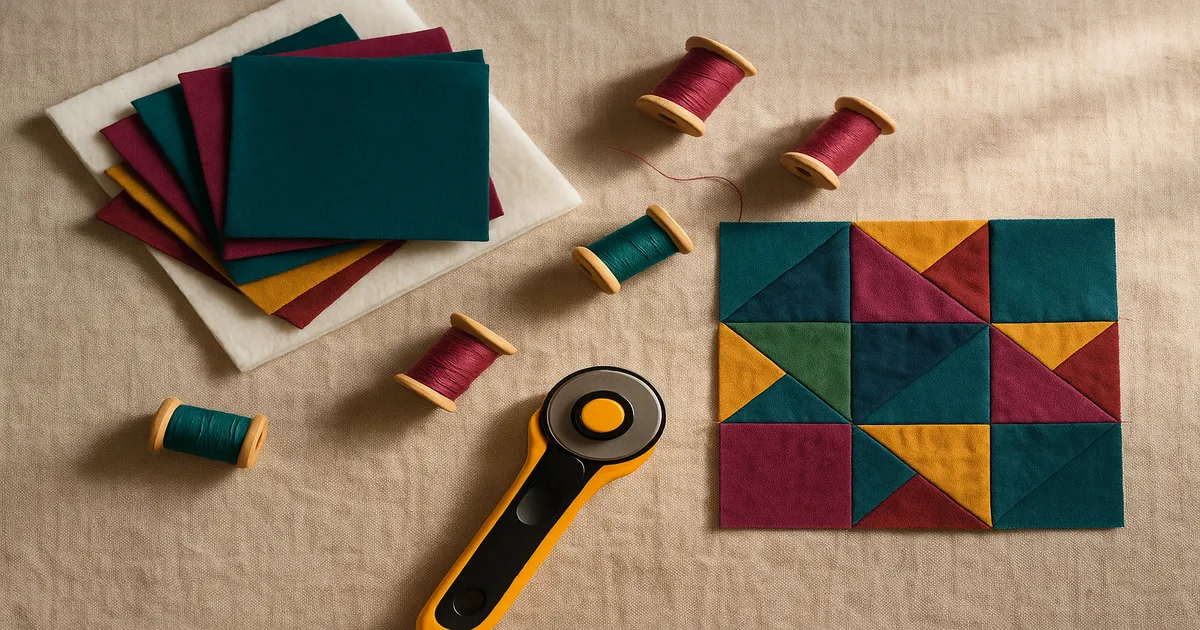
Receiving Inventory and Making Sample Quilts
When a shipment arrives, staff measure each bolt, enter yardage into the POS system, price it, and get it onto the floor. Major designers like Tula Pink, Kaffe Fassett, and Alison Glass release new collections two to three times a year, and staff need to learn them fast enough to talk about them confidently from day one.
Industry wisdom holds that a well-made sample quilt can increase sales of a fabric line by 30–50%. Shop owners will tell you: if you want fabric to move, make something from it and hang it on the wall. Staff who can design and construct compelling samples are genuinely valuable. It’s also, frankly, one of the better perks of the job.
Social Media and Online Sales
This expectation has grown a lot over the past several years. Many LQS staff now photograph new arrivals, shoot short technique videos, and manage Instagram, Facebook, and email newsletters. Color-accurate fabric photography is harder than it looks — customers will return fabric that looks different in person than it did on screen. If you’re applying for an LQS job and you have a decent eye for photography, mention it.
What Every Local Quilt Shop Employee Needs to Know Cold
Cutting Station Essentials
- Rotary cutters: 45mm for standard cuts, 60mm for multiple layers; replace blades every 3–4 bolts or when the cutter starts dragging
- Self-healing cutting mat: minimum 24 × 36 inches (61 × 91 cm); replace when deep grooves start deflecting the blade
- Acrylic rulers: a 6 × 24-inch (15 × 61 cm) for yardage cuts, a 6 × 12-inch (15 × 30 cm) for smaller cuts, and a 12.5-inch (32 cm) square for checking grain
- Fabric scissors: 8–10-inch dressmaker’s shears, kept strictly for fabric — never paper
Fabric Types: Cotton, Batiks, and Wide-Backs
Standard quilting cotton is 100% cotton, 42–44 inches (107–112 cm) wide, with roughly 60 threads per inch in a plain weave. Batiks are hand-dyed Indonesian fabrics with a tighter weave (80+ TPI) that cut and behave differently — they need a sharper needle and can be less forgiving for beginners. Wide-back fabrics run 108 inches (274 cm) wide and require completely different yardage calculations: you only calculate length, since you don’t need to piece the width.
Batting, Backing, and Notions
Cotton batting shrinks 3–5% when washed — which is either a problem or a feature, depending on whether you want that crinkled vintage look. Staff need to know the difference between needle-punched and bonded batting, understand loft and drape for different quilt styles, and explain all of it in plain language.
On the notions side: Wonder Clips have largely replaced pins for binding, thread weight numbering runs counterintuitively (50-wt is finer than 40-wt), and staff should be able to demonstrate every hand-quilting notion they sell.
Common Mistakes — and How Good Staff Handle Them
What Customers Get Wrong
- Buying exact yardage with no overage. Always add 10–15%. That’s roughly ¼ yard (23 cm) on a 2-yard purchase. Patterns don’t account for shrinkage, cutting errors, or changed minds.
- Confusing fat quarters with quarter-yard cuts. A fat quarter (18 × 22 inches) and a quarter-yard cut (9 × 44 inches) have the same area but completely different dimensions. For some patterns, this matters enormously.
- Choosing fabric by color without thinking about value. A pattern that depends on light/medium/dark contrast will fall flat if all the fabrics read the same value. Staff use the squint test or a red reducing lens value finder to show customers what they mean.
- Ignoring grain on directional prints. One-way designs and large-scale prints need to be flagged early. Good staff bring this up proactively.
What New Quilt Shop Employees Get Wrong
Guessing at technical questions instead of saying “let me find someone who knows” is probably the most damaging habit a new employee can develop. Customers respect honesty. Confident misinformation is worse than no answer at all.
New staff also tend to underestimate the social dimension of the job. Many customers come to the LQS as much for community as for supplies. Treating every interaction as a transaction misses the entire point of why these shops exist.
Two more practical ones: not reading selvage information (the selvage tells you the designer, collection, colorway dots, and copyright — it’s a cheat sheet), and not learning to identify fabric content. Polyester blends and 100% cotton can look identical. A burn test — a tiny thread pulled from the selvage — is definitive: cotton burns cleanly and smells like paper; polyester melts and smells acrid.
Tips from People Who Actually Work in Quilt Shops
Pull and audition fabrics. When a customer is choosing, physically pull 10–12 bolts and lay them on the cutting table together. Edit down from there. Customers almost always buy more when they can see fabrics interacting than when they point at individual bolts from across the shop.
Read the customer in the first 30 seconds. Someone clutching a printed pattern and a phone photo needs efficient, targeted help. Someone wandering the bolts and touching everything wants to browse and chat. Matching your energy to theirs is the difference between a great experience and an annoying one.
Use the selvage dot trick. The colorway dots printed on the selvage show every color in the print. Hold those dots against other bolts to find perfect coordinates — it’s faster and more accurate than eyeballing the print itself.
Ask about the needle. Skipped stitches, thread breakage, fabric puckering — a surprising number of these problems disappear when you simply change the needle. It’s the first diagnostic question experienced staff ask: “When did you last change your needle?” The answer is almost always “I’m not sure.” Needles should be changed every 8–10 hours of sewing time.
Remember your regulars. Remembering that a customer is making a wedding quilt for her daughter, and asking about it when she comes in, is something no algorithm can replicate. Staff who invest in those relationships build the kind of loyalty that keeps independent shops open when online prices are lower.
Thinking About Working in a Local Quilt Shop?
The wages at most local quilt shops are modest — most positions pay at or modestly above minimum wage, and many are part-time. People take these jobs because they get early access to new fabric lines, employee discounts, and the daily pleasure of being surrounded by people who care about the same things they do. If you’re a quilter, that’s not nothing.
Skills that make you a standout candidate: genuine quilting or sewing experience you can talk about specifically, some color theory knowledge (even self-taught), warm and patient customer instincts, and basic digital skills — photography, social media, email. You don’t need to be an expert at everything on day one. But you need to be the kind of person who will become one, because the customers will notice.
One thing that’s changed since the pandemic: digital skills aren’t optional anymore. Shops that pivoted to online sales and virtual classes during 2020–2022 kept many of those changes permanently. Today’s LQS employee is expected to be as comfortable photographing fabric for Instagram as cutting it at the counter.
Frequently Asked Questions About Local Quilt Shop Staff
Does anyone work in your local quilt shop who actually knows quilting?
Almost always, yes. Most LQS staff are active quilters themselves. They can help with fabric selection, yardage calculations, pattern difficulty, notions, and basic machine troubleshooting. It’s a knowledge-intensive job, and shops hire accordingly.
Do you need quilting experience to work in a quilt shop?
Most shops strongly prefer it. You don’t need to be an advanced quilter, but you should be actively sewing and genuinely enthusiastic about fabric. Shops hire for passion and teach the rest — but if you can’t talk about your own projects or explain basic concepts like seam allowance and fabric grain, you’ll struggle to help customers from day one.
What’s the difference between a local quilt shop and a craft chain store?
A local quilt shop specializes in quilting and sewing, with staff who are typically quilters themselves and can offer real technical expertise. Chain stores carry a broader range of craft supplies but employ general retail workers who rotate between departments. The selection, depth of knowledge, and customer experience are fundamentally different.
Why are local quilt shops more expensive than big-box stores?
LQS carry higher-quality fabrics from specialty manufacturers — designer collections, batiks, and premium quilting cottons that chains don’t stock. They also carry the overhead of knowledgeable staff, smaller order quantities, and a curated selection. What you’re paying for, beyond the fabric itself, is expertise and a shopping experience that can save you from expensive mistakes.
What does a quilt shop employee do all day?
A typical day includes cutting fabric, helping customers choose coordinating fabrics and calculate yardage, advising on patterns and notions, receiving and processing new inventory, and maintaining the shop floor. Many staff also teach classes, make sample quilts, and manage social media. It’s a genuinely varied job with a high knowledge requirement — and rarely boring.